

Solving export failures and restoring trust in a dashboard feature.
Design Research . UI / UX Design
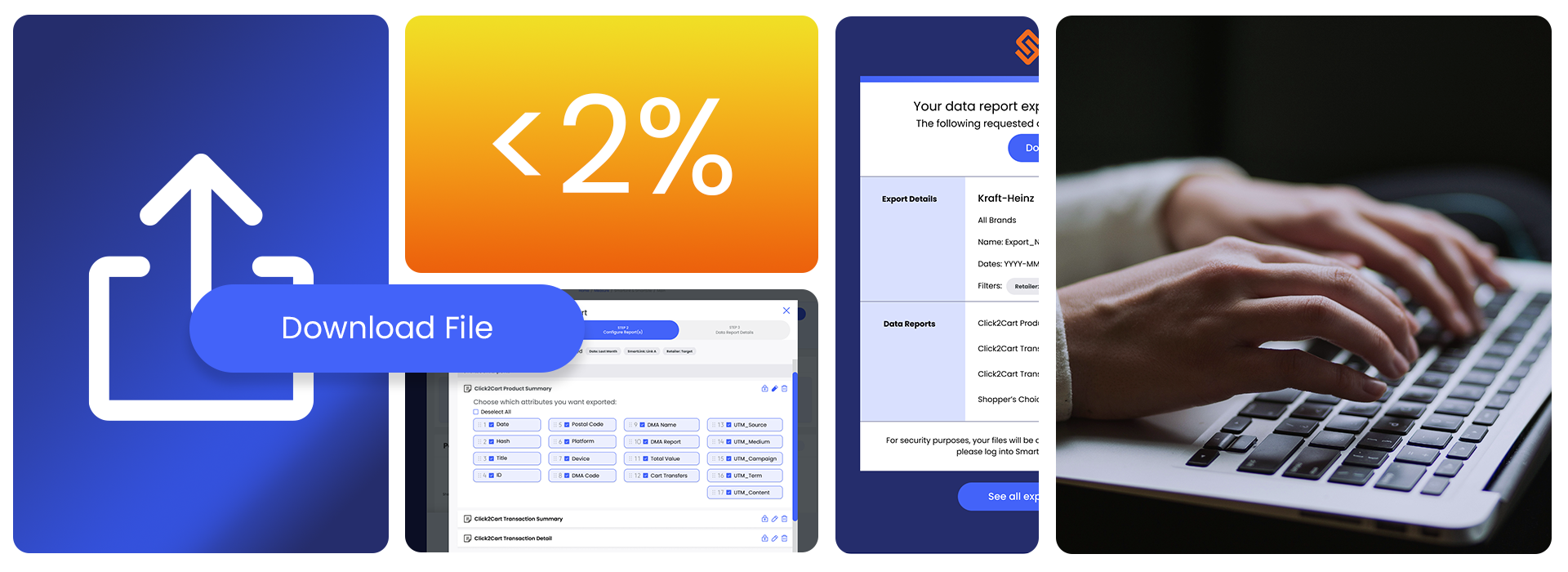
A platform feature that was well overdue for a new iteration, this new flow for exporting data from a B2B SaaS platform addresses many usability issues.Once implemented, it saw an almost 90% decrease in failed exports.
The Problem:
Exports in SmartSuite's Measure section failed regularly—usually when clients requested date ranges that generated more data than the system could reliably process. That created real support burden and eroded trust in a core reporting feature clients relied on daily. Not only did exports fail, but there was no transparency in how and why they did, leaving the client confused by the boundaries in which they could make a successful export.
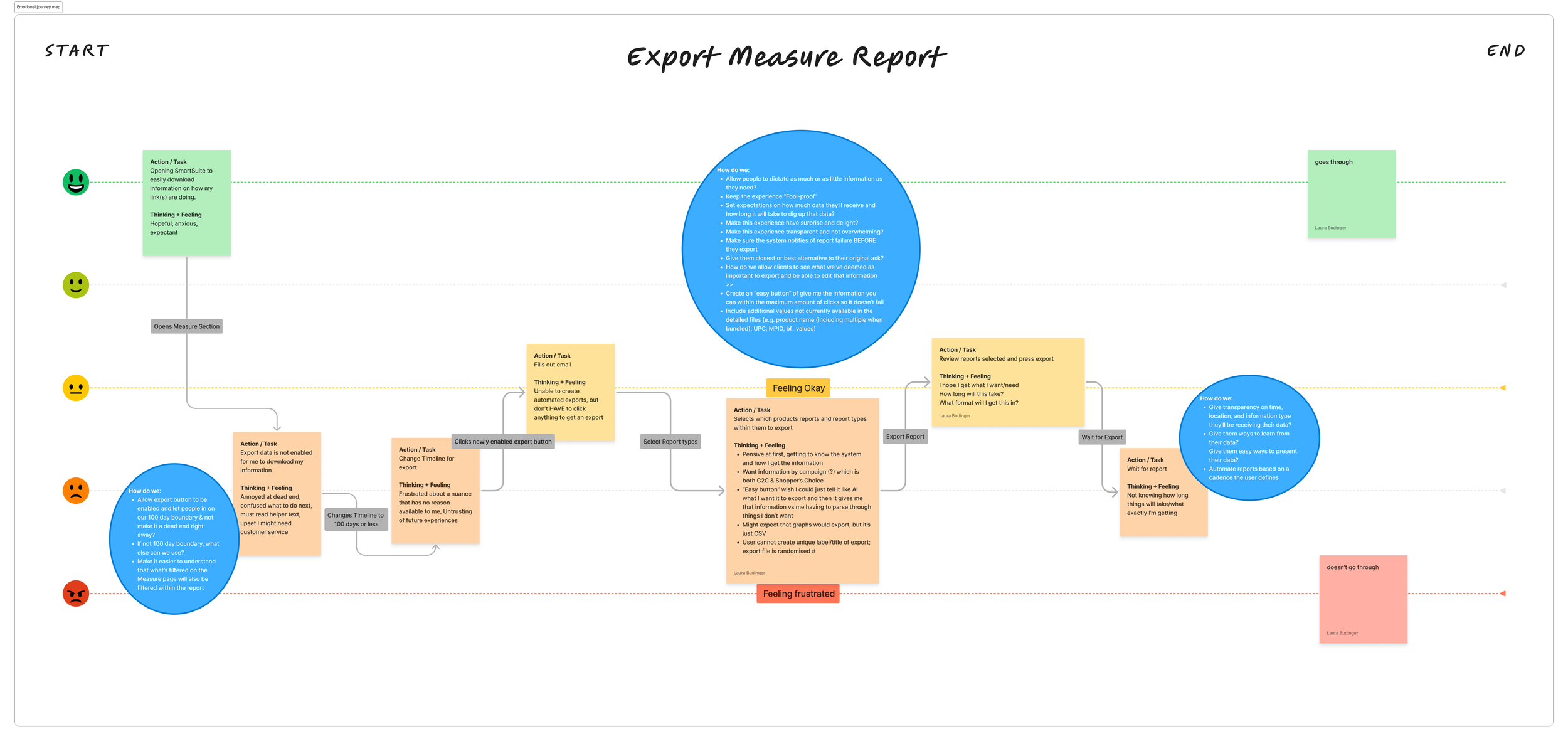
Emotional Journey Map
After walking through the export experience firsthand, surveying people who regularly export data for different purposes, and interviewing the product manager, I built an emotional journey map to pinpoint the most frustrating moments. I then used “How might we...?” questions to turn those pain points into design opportunities.
Two needs became clear. First, users needed more information upfront and clearer visibility into what was happening behind the scenes, which would reduce confusion and build trust in the process. Second, the experience needed stronger guardrails around what and how people export, which would reduce failures while still delivering the data they needed in a timely way.
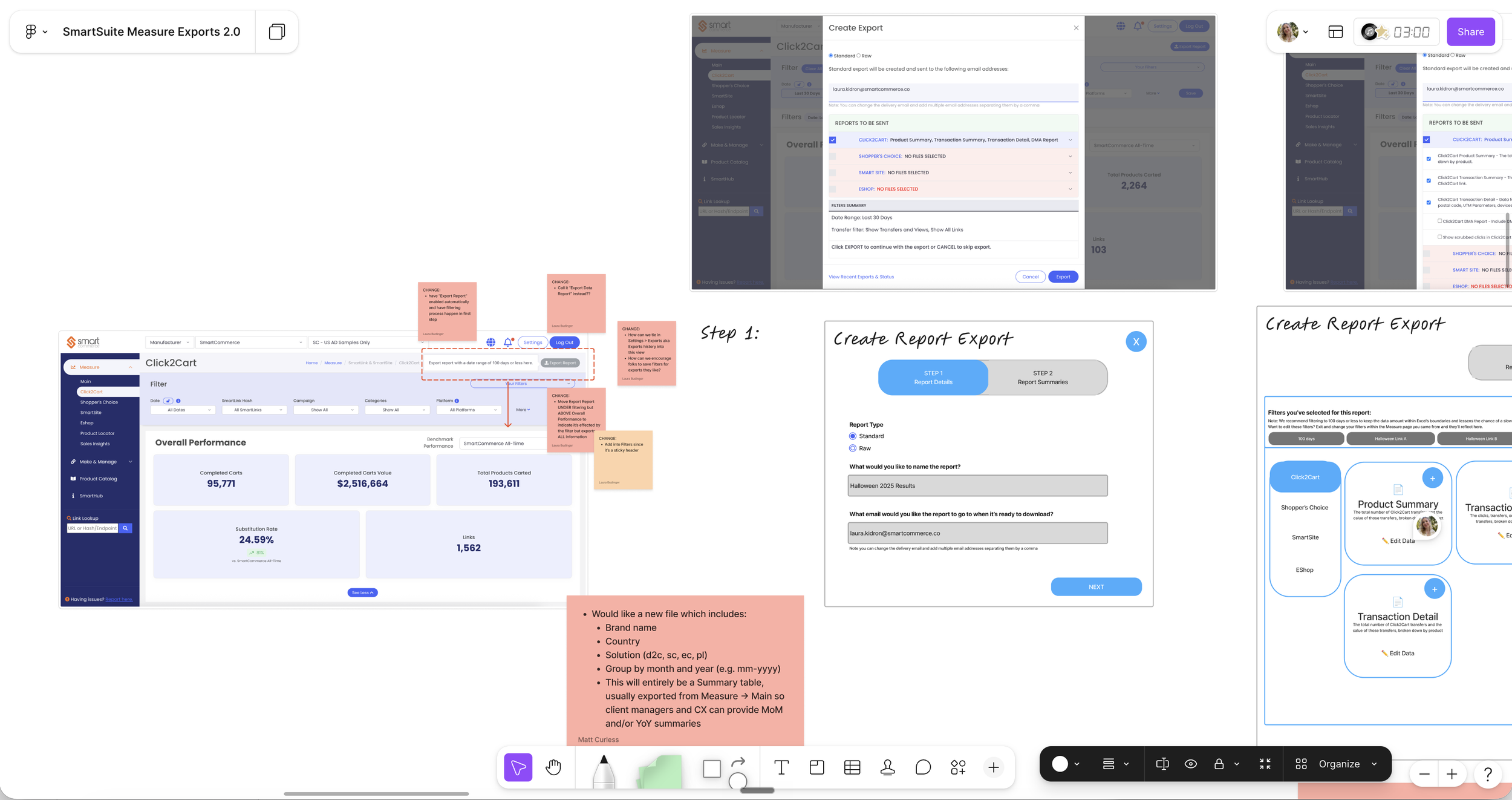
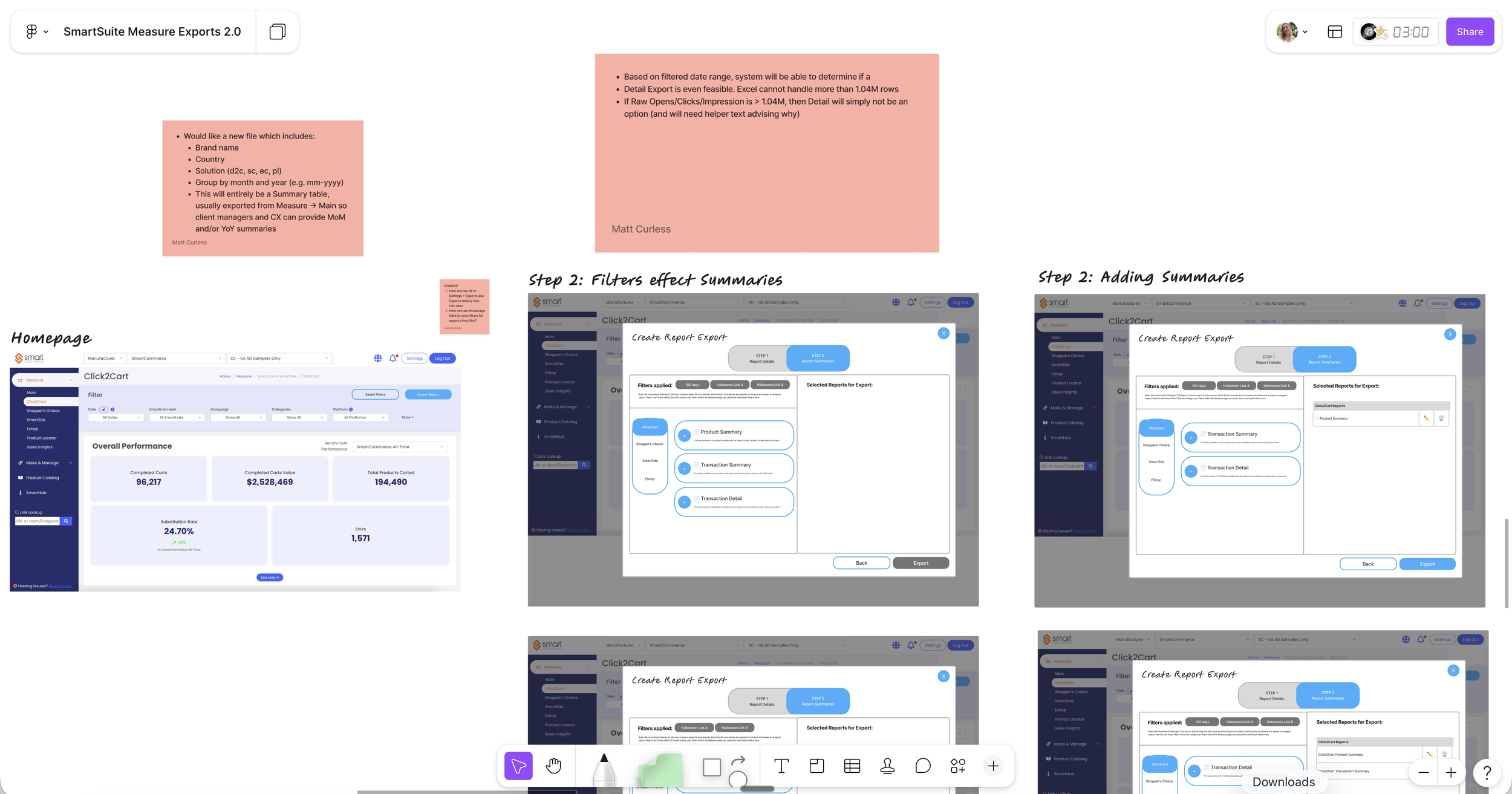
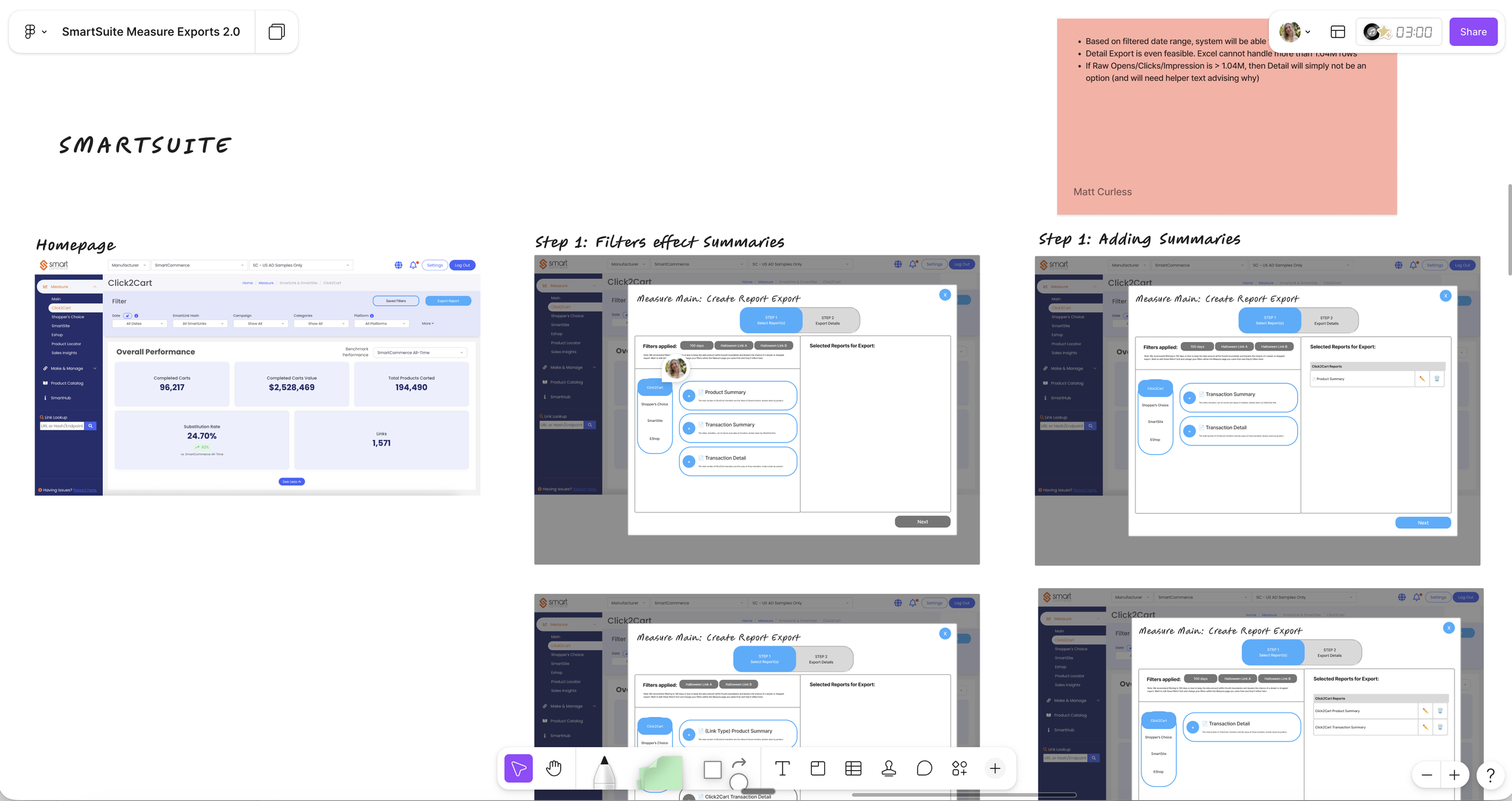
Initial concepts & design ideation
I pulled in the current designs and started to comb through where solutions could exist in them as well as what roughly needed to be created new.
Through multiple iterations, and reviews, wireframes were finalized and sent to engineering where I worked closely with them to make sure all interactions were covered correctly.
The Solution
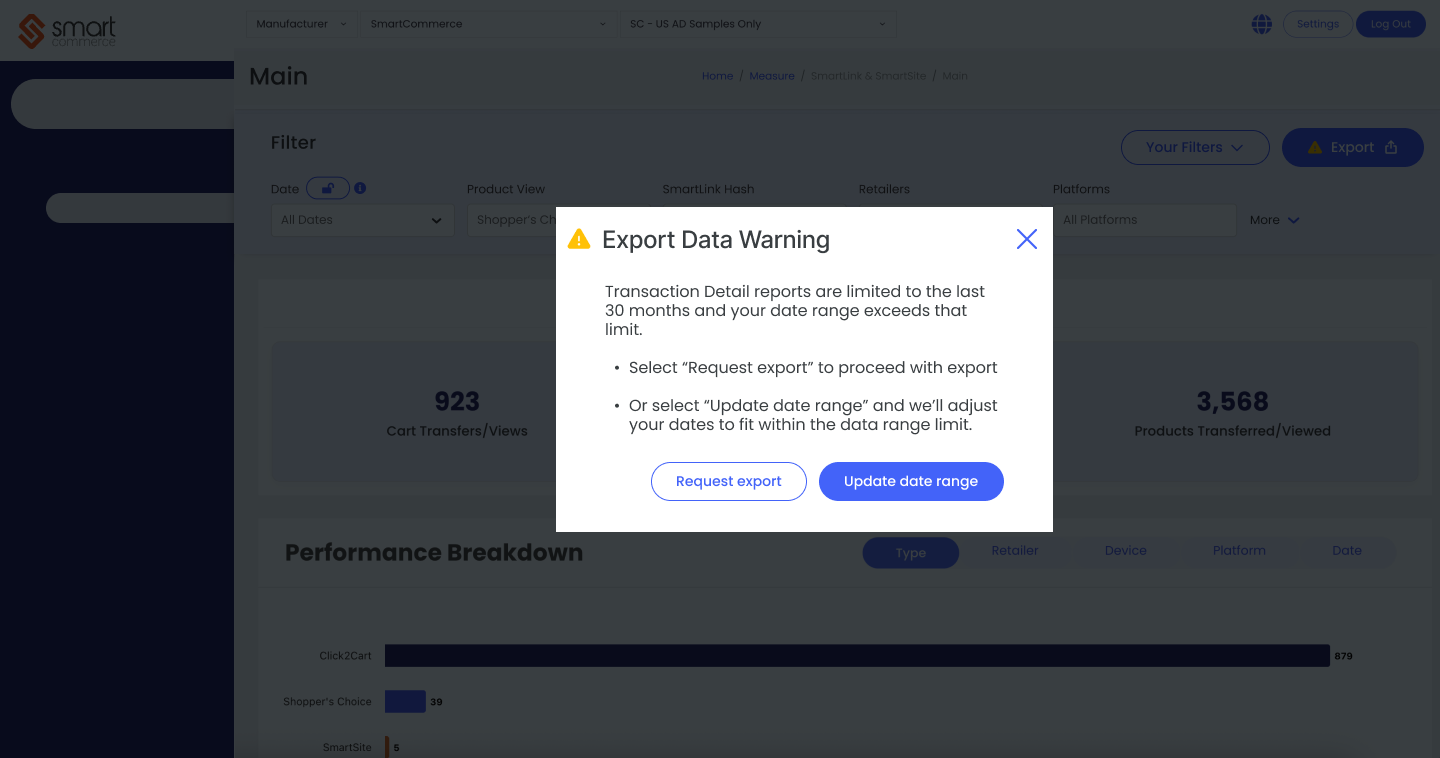
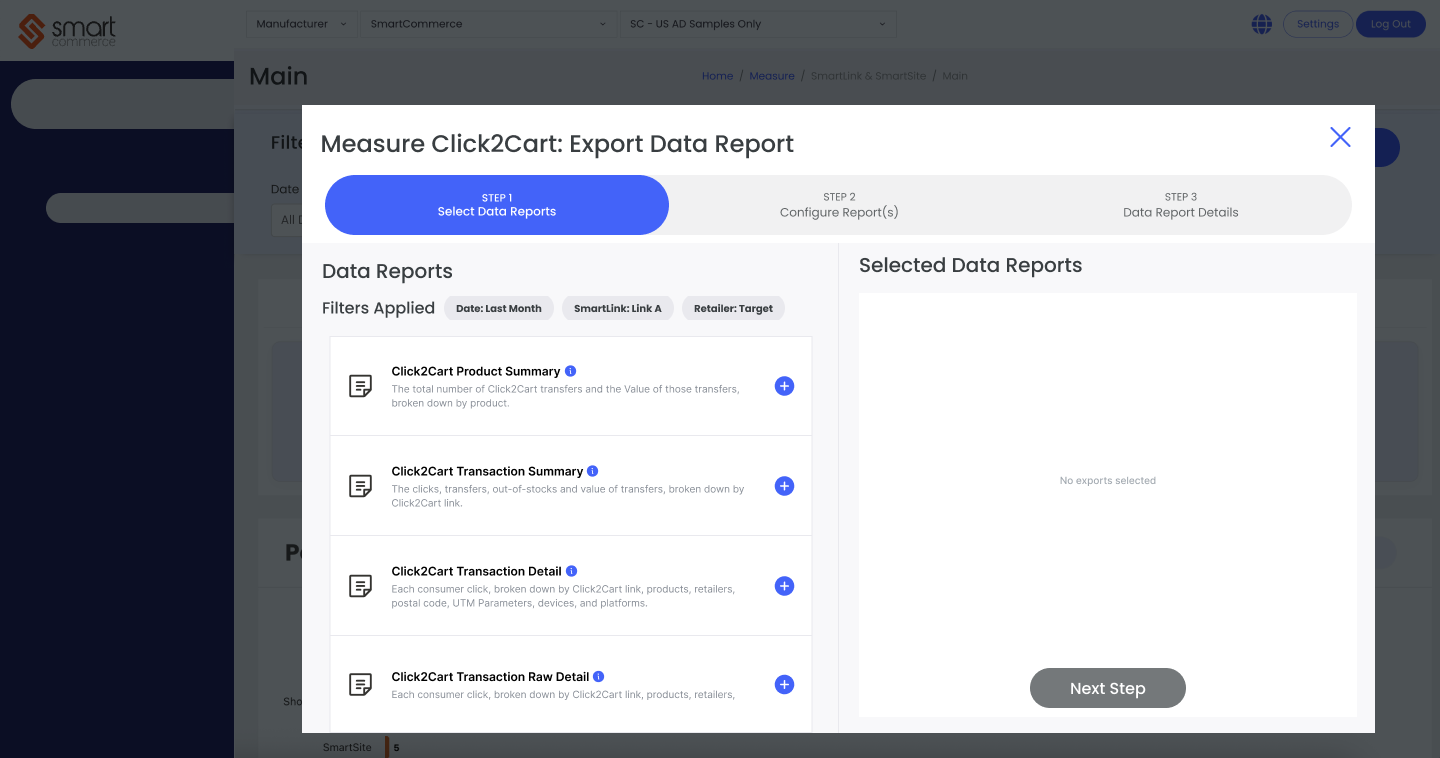
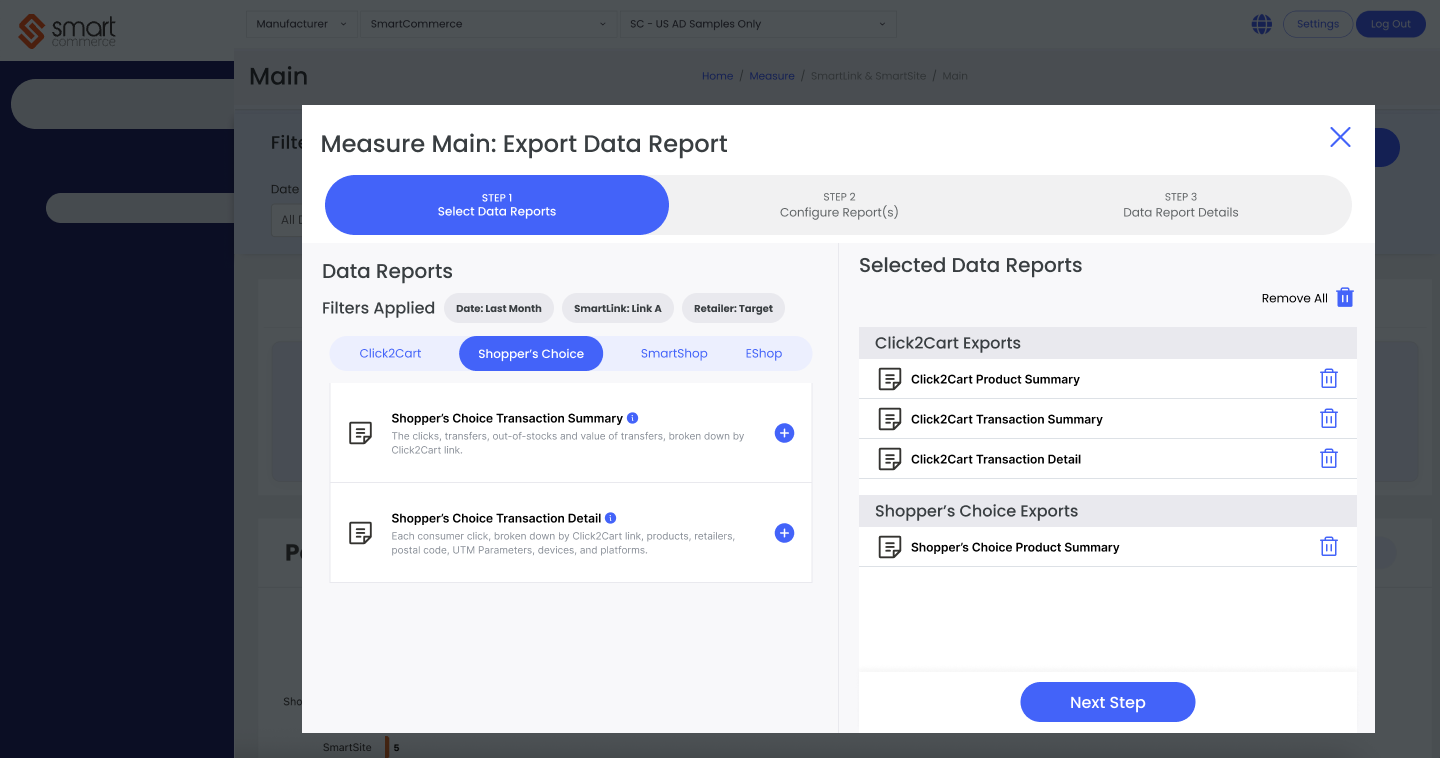
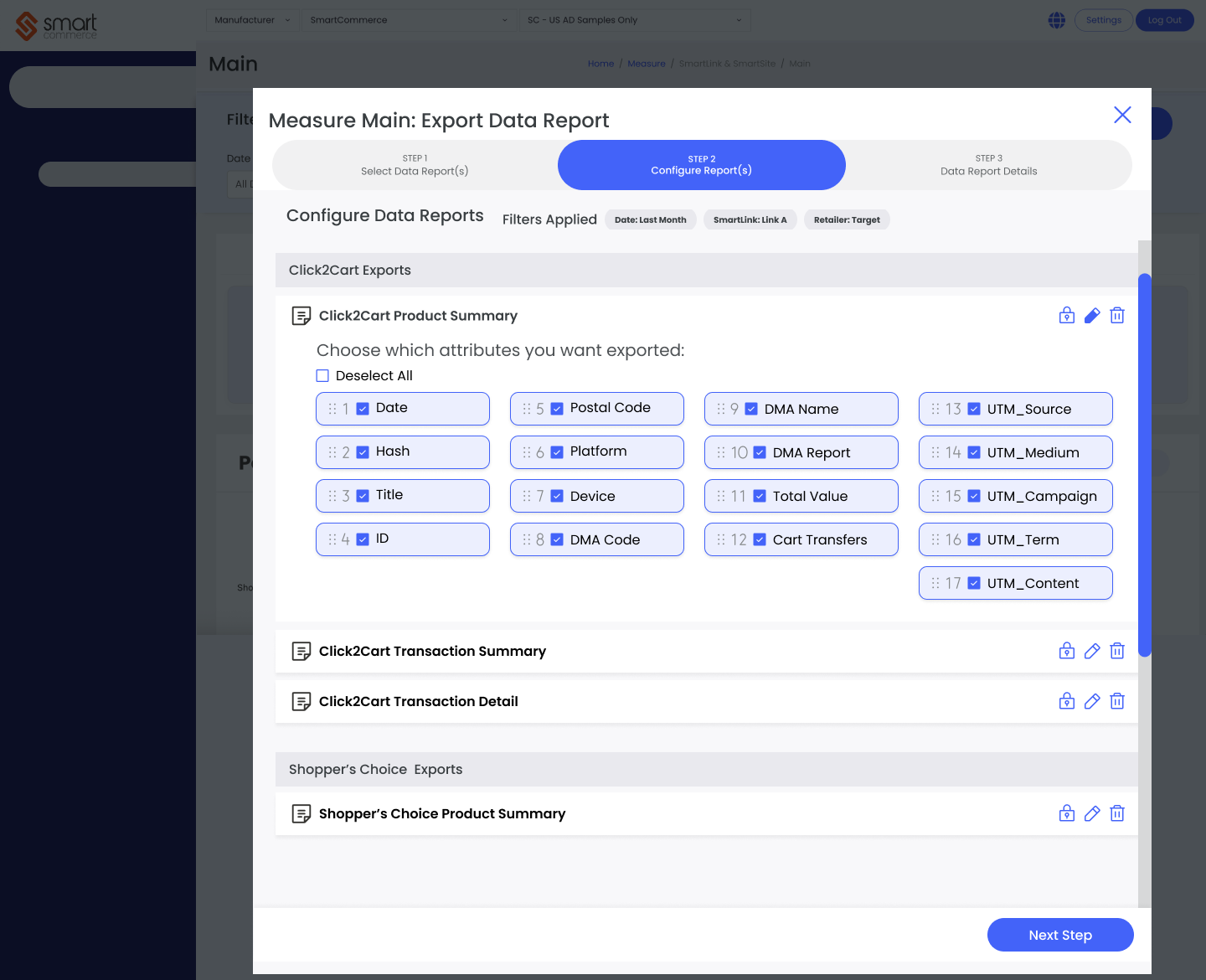
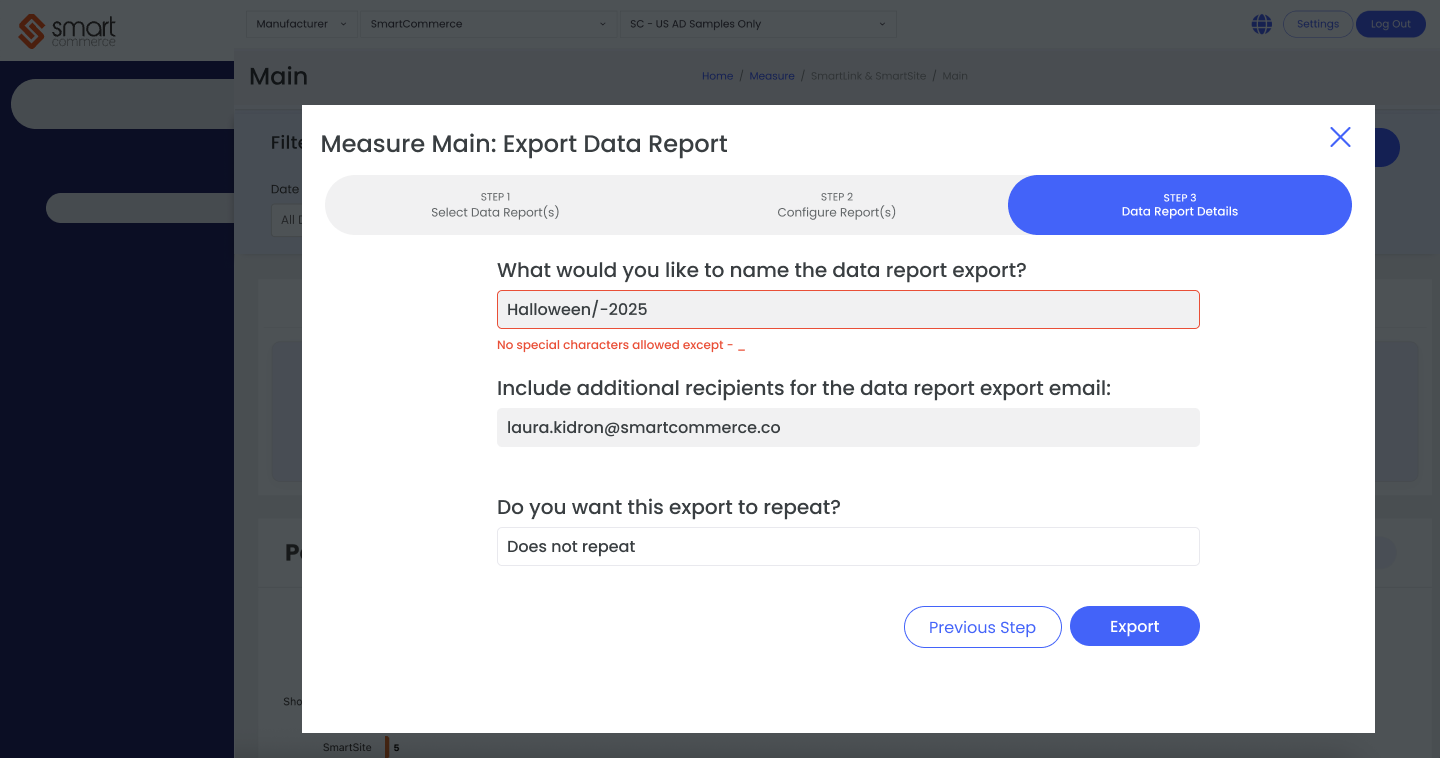
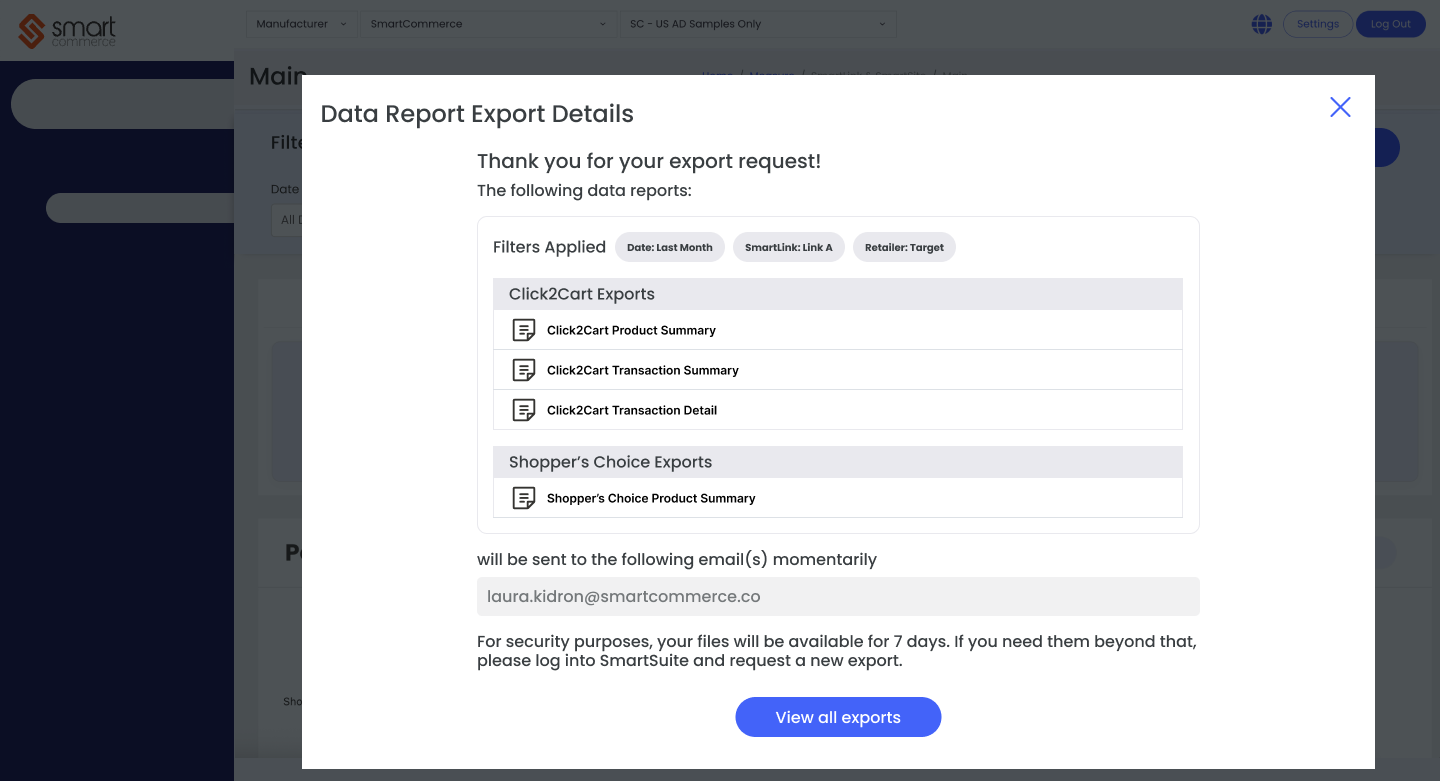
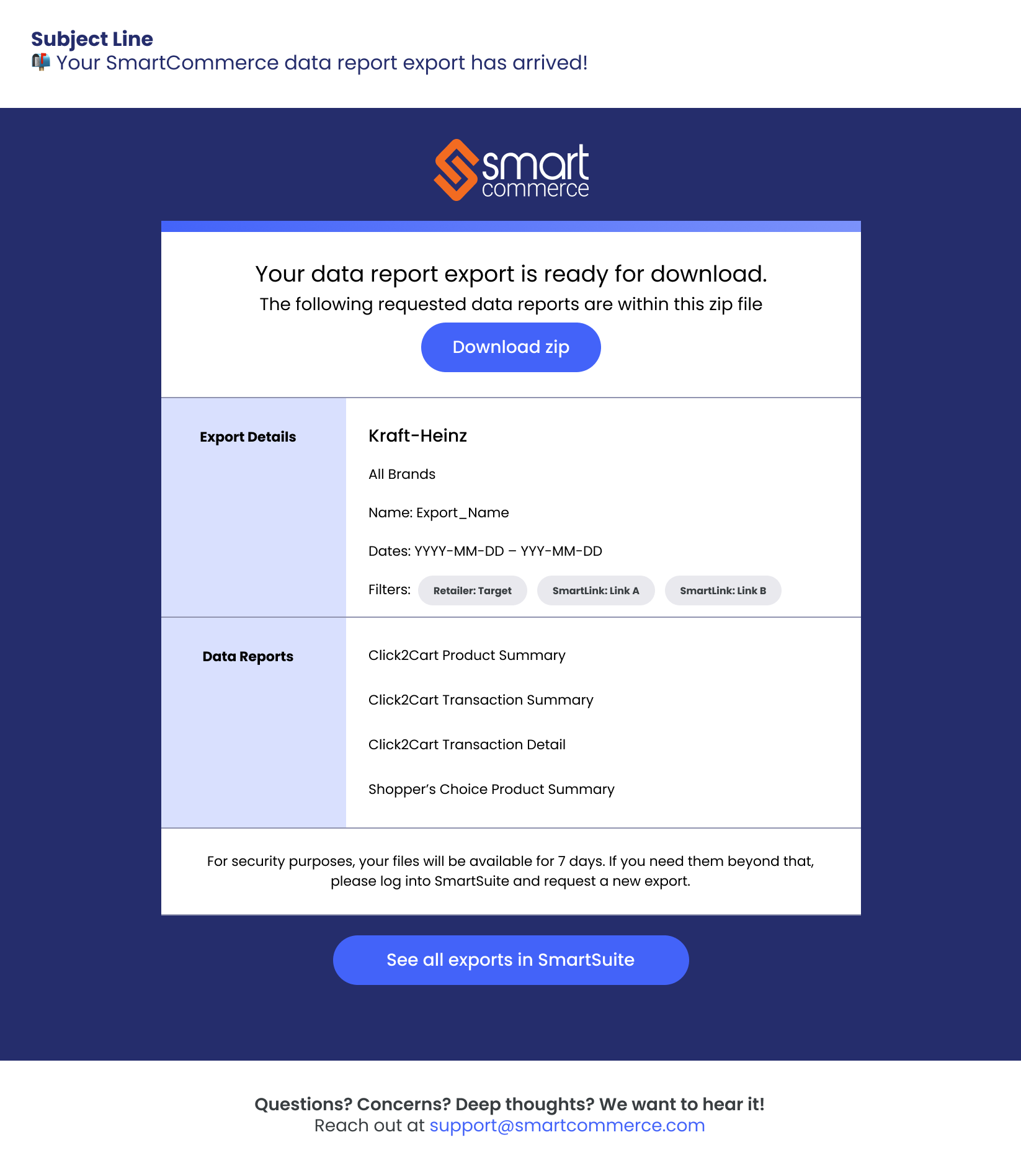
I approached this as a system problem rather than a one-off fix, expanding the scope to include export duplication and mapping and laying the groundwork for future automation. The core tension was how much control to give users. I chose when to surface system constraints so clients understood both the limit and their next step, instead of hitting a wall or a failed export. I also gave them more autonomy over what data they received, so they weren’t straining the system with unnecessary downloads or sifting through information they never needed.
Finally, I introduced the ability to schedule recurring exports. This created a “set it and forget it” experience that saves time and spares users from repeating the process and remembering its nuances each time.

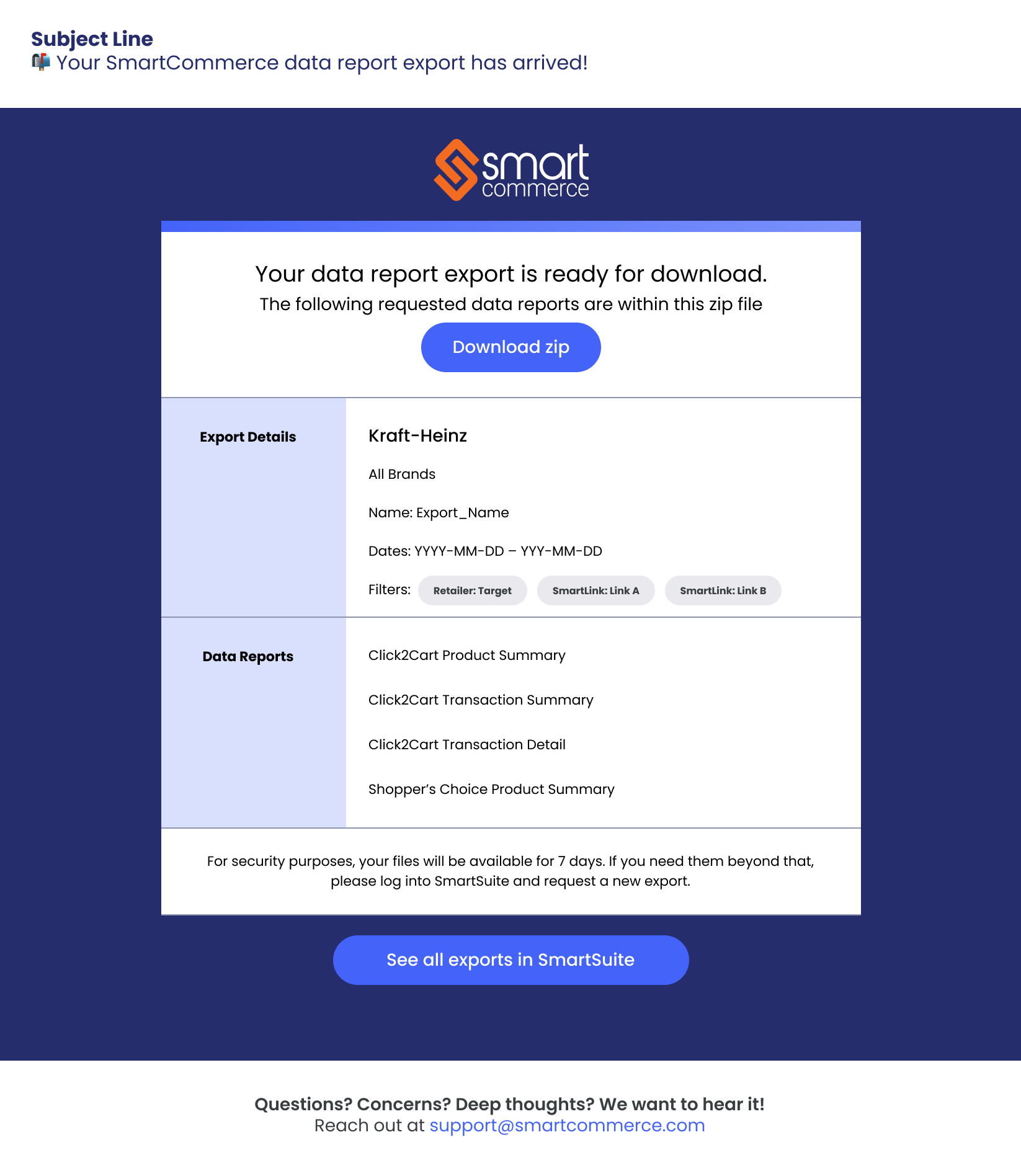
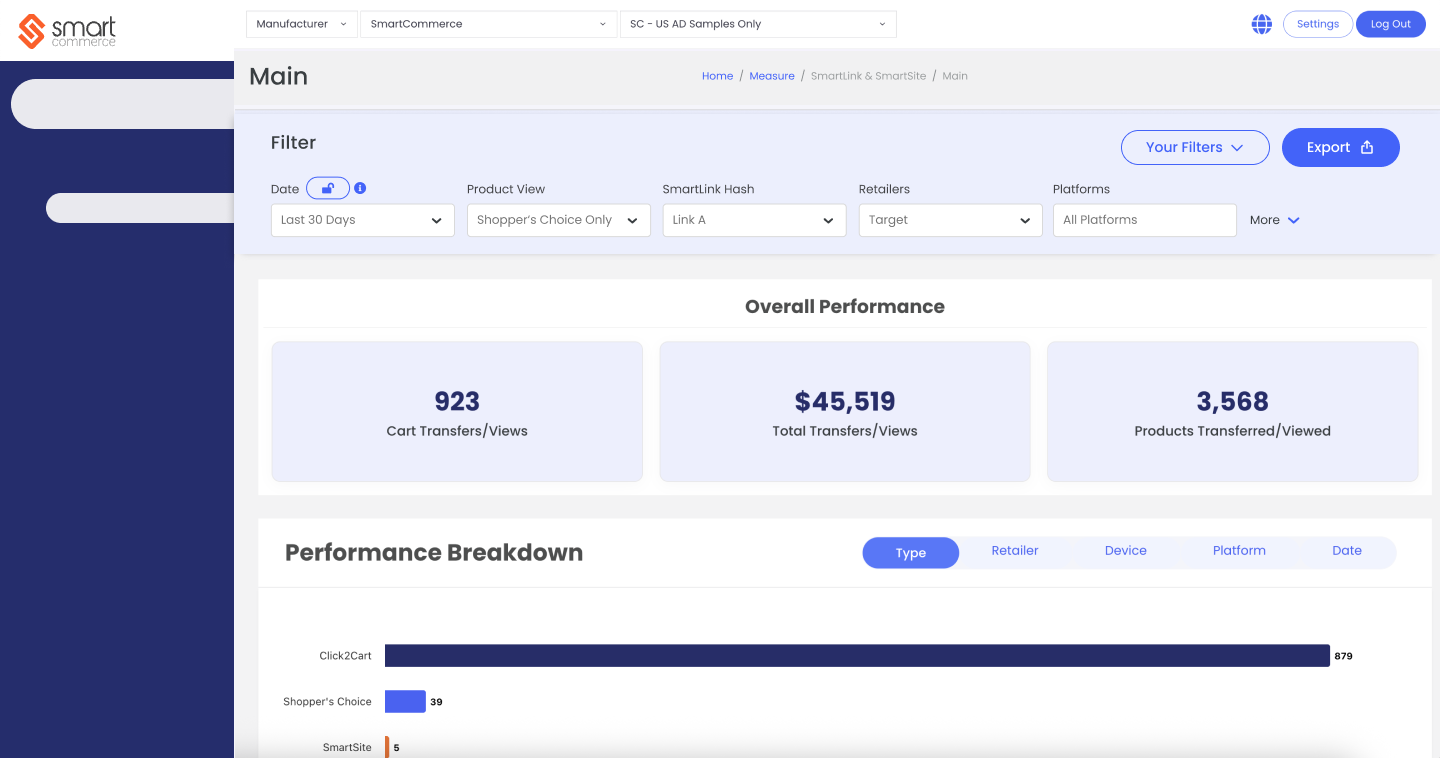
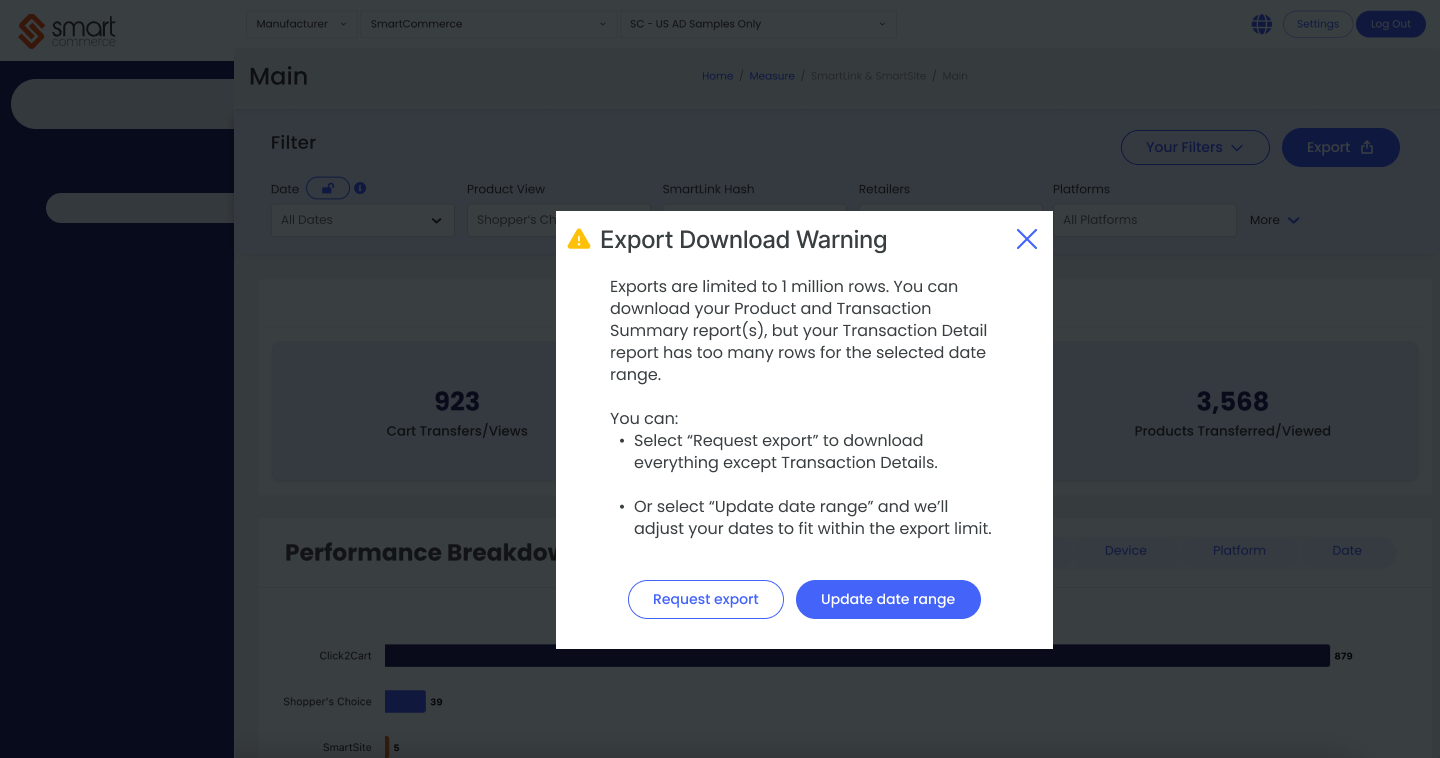

<2%
The Outcome
Capping row limits per export and educating the user along the way brought daily failure rates from 10–15% down to roughly 5%. A later move to data consolidation pushed that under 2%—restoring trust in a feature clients use every day, and greatly decreasing frustration and time addressing failures.